
Future‑proof your Hong Kong workforce with personalised, multigenerational training strategies. Discover how Baby Boomers, Gen X, Millennials, and Gen Z learn differently — and why customised L&D is essential for digital fluency, collaboration, and organisational resilience.
Hong Kong’s workforce is transforming faster than ever. According to the Robert Walters Hong Kong “2026 Leading a Multi‑Generational Workforce Report”, organisations are now navigating a perfect storm of AI‑driven disruption, widening skills gaps, and increasingly diverse employee expectations.
With 44% of core skills expected to be disrupted by automation, the question for corporate leaders is no longer whether to invest in training — but how to design training that actually works for a multigenerational workforce.
The conclusion is clear: A one‑size‑fits‑all approach to Learning & Development (L&D) is no longer viable.
To build a workforce that is adaptable, digitally fluent, and future‑ready, Hong Kong companies must adopt highly personalised, generation‑aware, and career‑stage‑aligned training strategies.
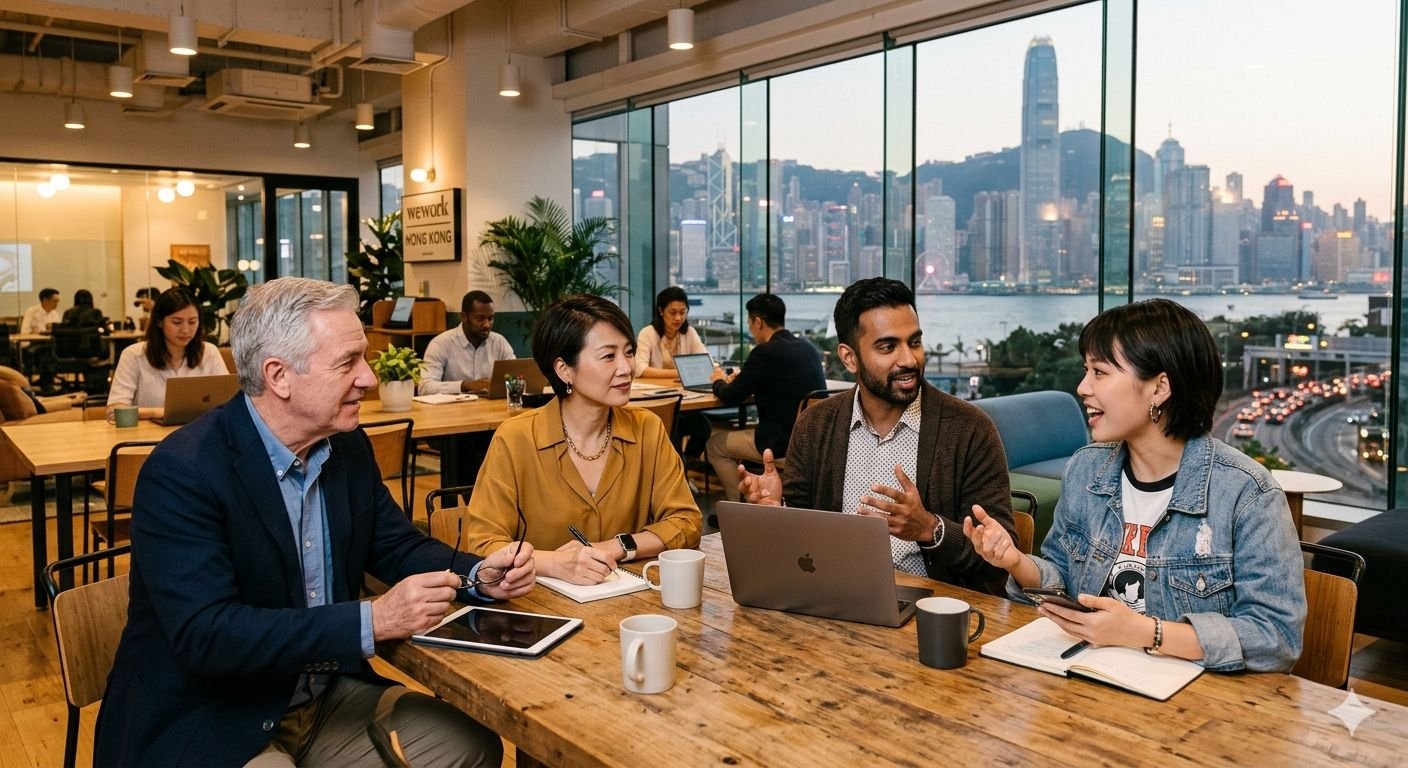
Hong Kong’s workforce now spans four generations, each with distinct learning preferences, strengths, and developmental needs.
These employees bring deep institutional knowledge and strategic insight. But as digital tools evolve rapidly, they often benefit from:
Their strength is experience — but they need confidence‑building pathways to stay digitally current.
Digitally agile and self‑directed, Millennials respond best to:
They want to understand why a skill matters, not just how to use it.
Despite being digital natives, Gen Z often enters the workforce with gaps in:
They thrive with:
For this generation, personalisation is essential — not optional.
A future‑ready L&D strategy recognises that employees evolve through distinct career phases:
When training follows the career journey, organisations build stronger pipelines and reduce turnover.
One of the most powerful — and underutilised — tools in Hong Kong organisations is reverse mentoring.
Pairing younger digital natives with senior leaders creates:
Younger employees contribute digital fluency and fresh perspectives. Senior employees contribute leadership wisdom and strategic insight. Both sides grow — and the organisation benefits.
Communication styles vary dramatically across generations:
Without explicit training in communication adaptability, friction is inevitable — especially in hybrid workplaces.
Teaching teams to “code‑switch” across communication styles strengthens collaboration, reduces misunderstandings, and builds psychological safety.
By intentionally leveraging the strengths of each generation — and designing training that reflects their unique needs — companies can:
The future of work in Hong Kong will belong to organisations that recognise this simple truth: Training is most effective when it is personalised, inclusive, and aligned with how people actually learn.
_______________________________________________________________________________________________
Lingua Learn Hong Kong offers fully customised corporate and individual training plans to help you and your teams stay ahead.
WhatsApp: +(852) 6907 8900 Email: hello@lingua-learn.com.hk
#MultigenerationalWorkforce
#CorporateTrainingHK
#FutureOfWorkHongKong
#LearningAndDevelopment
#UpskillingAndReskilling
#DigitalFluency
#WorkforceTransformation
#HongKongBusiness



© 2026
PsyBuddy says:
Adaptability matters, but people can only adapt well when they are not already overloaded. That is why resilience and workload both need attention.